Empowered Women Prioritize Their Health
May is Women’s Health Month and National Women’s Health Week is May 8–15. This month serves as a great reminder for women to take better steps to understand their health. Preventive care is one of the most important steps you can take to manage your health. Taking the time to monitor your body is vital to preventive care. It continuously saves lives, especially for women, who sometimes have a hard time prioritizing their wellness. 
Here’s why:
- Women generally make the most of the healthcare arrangements for their families but often neglect their own health needs
- 50% of women disregard their own health
- Women are five times more likely than men to develop thyroid issues
- Two of every three deaths among women are caused by non-communicable diseases (NCDs) — examples include heart disease, stroke, and diabetes — all of which can be detected early
It is not wise to ignore your health and wait until something goes wrong or you are feeling “off” before seeking answers. In this month’s blog, we are sharing 3 important preventive healthcare screenings offered by your neighborhood Any Lab Test Now®. These 3 lab tests are important because they will help detect possible conditions or issues early when they are easiest to treat.
COMPREHENSIVE FEMALE PANEL
At Any Lab Test Now®, we offer a Comprehensive Female Panel designed to help women of all ages make informed decisions about their health. The Medical Assistants at your local At Any Lab Test Now® regularly see women with ongoing medical conditions or those seeking one-off testing, making our stores an invaluable wellness resource right in your own neighborhood.
This panel includes multiple tests that will provide you with a personalized snapshot of a woman’s health. The panel also includes a metabolic panel that checks kidney and liver functions, female hormones with a specific female hormone test, thyroid condition, and nutritional status. All around, this is a great panel to add to your wellness routine that provides you with a wide range of bodily information.
The Any Lab Test Now® Comprehensive Female Panel looks at the following:
CBC with Differential/Platelets – A broad screening test to check for such disorders as anemia, infection, and many other diseases.
Complete Metabolic Panel – A test that measures 14 different substances in your blood and measures kidney and liver function.
Cholesterol (Lipid) Panel – Measures the amount of cholesterol and fats in your blood.
Estradiol – Also known as E2, this is the main type of estrogen your ovaries produce. Too much or too little can lead to problems, such as weak bones, urinary tract infections, and even depression.
Testosterone (Free and Total) – Usually associated with men, women also produce testosterone. An imbalance of this hormone can lead to weight gain or sexual dysfunction.
TSH (Thyroid Stimulating Hormone) – This portion of the panel evaluates how well the thyroid gland is working.
HbA1C (Hemoglobin A1C) – The results of this test reveal your average blood sugar levels over the past three months.
Progesterone – An imbalance of this hormone can lead to a decreased sex drive, mood swings, irregular periods, and more.
DHEA-Sulfate – Also known as dehydroepiandrosterone, this hormone contributes to normal libido and sexual satisfaction.
FSH (Follicle Stimulating Hormone) – Too much or too little FSH can cause a variety of problems, including infertility or menstrual difficulties in women. It can also be an indicator of menopause.
LH (Luteinizing Hormone) – This chemical supports important processes in your reproductive system, including ovulation.

COMPREHENSIVE THYROID PANEL
Women are more likely to have thyroid issues than men. The thyroid is a hormone-producing gland located in the middle of the lower neck that regulates the body’s metabolism — the rate at which the body produces energy from nutrients and oxygen — and affects critical body functions, such as energy level and the regulation of body temperature.
Any Lab Test Now® offers a Comprehensive Thyroid Panel that zeroes in on this important gland, which can help you determine if you have one of the two most common thyroid issues.
Hypothyroidism – a condition where the thyroid gland does not produce enough thyroid hormone. Symptoms include extreme fatigue, depression, forgetfulness, and some weight gain.
Hyperthyroidism – a condition causing the gland to produce too much thyroid hormone. Symptoms include irritability, nervousness, muscle weakness, unexplained weight loss, sleep disturbances, vision problems, and eye irritation.
OSTEOPOROSIS RISK PANEL
Osteoporosis is a real risk for all women. In fact, 80 percent of Americans with osteoporosis are women. It is a condition that weakens bones and makes them susceptible to breakage. Ideally, our bodies absorb calcium and replace bone tissue. Our main source of calcium is food. But when we don’t eat enough calcium-rich foods, we put ourselves in danger of developing osteoporosis. Most of the time, people don’t realize they have an issue until they suffer a bone fracture.
Women are more likely to develop osteoporosis because:
- Women have smaller, thinner bones
- A reduction in estrogen, a hormone in women connected to bone health, can lead to bone loss
- One in two women over the age of 50 will break a bone due to osteoporosis
Our Osteoporosis Risk Panel includes ten different tests that evaluate your risk for osteoporosis. Two
of the key components of the test include measuring calcium and vitamin D levels, which are deeply tied to bone health.
WANT MORE INFORMATION?
Click here to learn more about a few more tests and panels designed to help empower women to prioritize their health.

Tired of Feeling Tired? The small gland that can make a big difference!
More than 20 million Americans have some form of thyroid disease. However, an estimated 60 percent of people are unaware they have a problem with their thyroid. The thyroid is a small gland, but when it comes to your health, plays a big role. The butterfly-shaped thyroid sits inside your throat, just under your voice box. Small in size, this gland plays a major part in several bodily functions, including your metabolism.
Your thyroid makes two hormones — T3 and T4. These hormones regulate the speed at which your cells work. Too much of these hormones, and you may find yourself with a pounding heart, sudden weight fluctuations, and feeling exhausted all the time.
As we observe National Thyroid Awareness Month this January,
let’s take time to understand the most common thyroid diseases and their symptoms.

Hyperthyroidism
When the thyroid gland produces too much of the hormone thyroxine (T4), this is hyperthyroidism. Hyper, of course, means overactive, which describes what is happening to your thyroid. It drives your body’s metabolism into high speed, which may lead to unexpected weight loss and rapid or irregular heart palpitations.
Other hyperthyroidism symptoms include:
- Nervousness, anxiety, and irritability
- Increased appetite
- Changes in menstrual patterns
- Increased sensitivity to heat
- Thinning skin
- Fine, brittle hair
- Trembling
- Muscle weakness
- Problems sleeping
- Irregular bowel movements
- Goiter – swelling at the neck from an enlarged thyroid
If not treated, hyperthyroidism can lead to other health problems, including:
Graves’ Disease – This autoimmune disorder is a common cause of hyperthyroidism. A classic symptom of Graves’ disease is that the tissues and muscles behind the eyes swell, which makes the eyes bulge or protrude.
Osteoporosis – Too much thyroid hormone can block calcium absorption into your bones, making them brittle and subject to breaking.
Infertility – Women with an overactive thyroid can have difficulty getting pregnant. The condition can also be harmful to the mother and baby during pregnancy.
Hypothyroidism
The opposite of hyperthyroidism, hypothyroidism, occurs when the thyroid doesn’t produce enough T4 or its counterpart hormone T3 (triiodothyronine). The result is a slowing down of many bodily functions. Sometimes people write off the symptoms of hypothyroidism as a component of aging. However, left untreated, it can lead to obesity, joint pain, infertility, and heart disease.
Symptoms of hypothyroidism include: 
- Unexplained weight gain
- Extreme fatigue
- Hypersensitivity to cold
- Constipation
- Dry skin
- Hoarseness
- Puffiness in the face
- Muscle aches, tenderness, stiffness, and weakness
- Elevated blood cholesterol
- Thinning hair and dry skin
- Slower heart rate
- Depression
- Forgetfulness
Hashimoto’s Thyroiditis– The most common cause of hypothyroidism. It is an autoimmune disease that causes inflammation of the thyroid. With Hashimoto’s, your body produces antibodies that attack and destroy the thyroid gland.
Diagnosing Thyroid Issues
If you’ve ever had a yearly physical, your doctor most likely placed their hands gently on each side of your windpipe and asked you to swallow. This is the most basic way to check for any abnormal bumps or enlargement of your thyroid gland.
Your doctor can confirm a thyroid issue with one simple lab test. The Basic Thyroid Panel offered by Any Lab Test Now combines convenience and affordability. This panel consists of three tests, which measure the balance of the three main hormones in the thyroid system.
They include:
- TSH: Thyroid Stimulating Hormone is the most important of the hormones in the thyroid system. It stimulates or acts on the thyroid gland, telling it how much of the actual thyroid hormones need to be produced.
- T4: This hormone is made by the thyroid, travels throughout the body, and is converted into T3.
- T3: The active form of T4. This is the hormone that goes into the cells and controls their function throughout the body.
What to Expect During Your Visit
There is no need to make an appointment; walk-ins are always welcome. There is no need for a doctor’s order either, so you can skip the step (and the co-pay) of making an appointment with your doctor to get a prescription for testing.
The results of your thyroid screening will serve as a blueprint for your physician to prescribe the correct dose of medication. Then later in the year, you can continue to follow up with Any Lab Test Now for additional testing to find out if the treatment is working.
New Year, Better You…Take Care of Yourself
Whether you believe in setting a New Year’s resolution or not, the start of a new year is always an opportune time to create a new habit or three that’ll lead to a healthier, more fulfilling life.
To help you have a fresh start in 2022, utilize Any Lab Test Now for access to 8000+ lab testing options designed to help you monitor the health of your body. We want you to Take Control of Your Health® when it comes to seeking out any type of lab work, including determining the health of your thyroid.
 We provide you with a safe and clean alternative location for lab work. Any Lab Test Now is a committed partner in helping you manage your family’s healthcare so you can make educated decisions that will directly affect your quality of life.
Find your closest Any Lab Test Now store at www.anylabtestnow.com.
Managing Chronic Diseases With Lab Testing
Six in 10 adults in the United States are living with a chronic disease. Many of those diseases require routine monitoring to reduce complications and manage their conditions.
Routine lab testing through providers like Any Lab Test Now® is often the starting point for care—driving diagnosis and proper treatment for millions of patients.
Here are some of the chronic conditions that can be managed with regular lab testing.
Heart Disease
Heart disease is a condition that is responsible for one in four deaths in the United States. To effectively monitor this condition, regular testing is critical. For patients at risk of developing heart disease, routine monitoring can help keep track of a wide variety of key markers in the blood that can be used to advance preventative measures, including lifestyle changes that can ultimately reduce a patient’s risk of heart disease.
The Cholesterol (Lipid) Panel at Any Lab Test Now can be used as a baseline assessment of heart health. This panel includes the following components:
- Cholesterol, Total – total cholesterol is used to help predict an individual’s risk of developing heart disease.
- Triglycerides – Triglycerides are a form of fat and a major source of energy for the body.
- HDL Cholesterol – HDL cholesterol is often termed “good” cholesterol. The test for HDL cholesterol measures the amount of HDL in the blood.
- LDL-Cholesterol (calculated) – LDL is considered to be undesirable and is often called “bad” cholesterol because it deposits excess cholesterol in blood vessel walls and contributes to hardening of the arteries and heart disease.
- Cholesterol/HDL Ratio (calculated).
Diabetes
Blood glucose testing is part of a daily protocol for the more than 30 million Americans living with diabetes. But there are certain tests diabetics cannot perform at home that are needed to properly manage the disease, which is the seventh leading cause of death in the United States.
The main diagnostic test is the hemoglobin A1c test, which can provide key information to determine if the diabetes is under control. It measures your average blood glucose, or blood sugar, level over the past three months.
The A1c test is part of the four-part Any Lab Test Now Diabetes Maintenance Panel. Also included in this panel is:
- Complete Blood Count (CBC) – Tests for blood disorders such as infection or anemia.
- Comprehensive Metabolic Panel (CMP) – Can determine how well the kidneys and liver are working, measures electrolyte levels, and the balance of acid and base in the blood.
- Diabetic Urinalysis will determine if albumin (protein) is found in the blood.
Thyroid Disease
The thyroid is a butterfly-shaped gland located in the front part of your neck. The thyroid produces hormones that regulate many important functions in the body, including metabolism, which is linked to weight, body temperature, and energy level. Thyroid blood tests can help determine if hypothyroidism (too few thyroid hormones) or hyperthyroidism (too many) are present.
More than 20 million people in the United States have a thyroid disorder. Blood tests like the Thyroid Panel offered by Any Lab Test Now are one of the most accurate ways to manage thyroid disorders.
Testing on a regular basis is important if:
- You are taking medication for a thyroid disorder. Regular testing can fine-tune your treatment so that you feel better.
- If you have a diagnosed thyroid disorder or have had previous treatment for an overactive thyroid, it is important to have a blood test every 12 months or as advised by your doctor.
Be at Ease
Any Lab Test Now wants you to be at ease when it comes to seeking out any type of lab work, including routine testing to better manage chronic diseases.
We provide you a safe and clean alternative location for lab work. Each of our 190+ stores is sanitized several times a day, in accordance with the CDC’s protocols. Any Lab Test Now is a committed partner in helping you manage your family’s healthcare so you can make educated decisions that will directly affect your quality of life. We want to put you at ease during the coronavirus pandemic. We are here to help.
For more information about Any Lab Test Now, and the tests we offer, visit us at www.anylabtestnow.com.
Checking Hormones to Battle Exhaustion, Boost Holiday Cheer
Chalking up weight gain, low energy and fatigue as normal signs of weathering the holiday season may be a mistake.
Making the holidays a magical time of year is a big responsibility. Baking cookies, buying presents and non-stop holiday cheer can be exhausting for anyone. But the holidays might not be to blame for excessive exhaustion and weight gain. A lack of enthusiasm for the season could all be attributed to a problem with a small, butterfly-shaped gland located at the base of your neck.
The thyroid gland communicates with the pituitary gland in the brain to release hormones that affect metabolism, growth and even body temperature, according to WebMD. The main hormone produced by the thyroid is thyroxine, or ts4. Thyroid level imbalance in your body may make you more susceptible to everything from osteoporosis and heart disease to infertility and fatigue. Thyroid disease typically develops slowly, making it difficult to diagnose.
Getting Thyroid Tested at ALTN
Get your energy back and truly enjoy the spirit of the holiday season by making your health a priority. A visit to your nearest Any Lab Test Now location can get to the bottom of your fatigue and weight fluctuations. Any Lab Test Now provides walk-in medical testing without a trip to the doctor’s office. With more than 170 locations nationwide, determining if your thyroid is producing the correct amount of hormones is as simple as getting a quick test. A certified medical assistant can administer the Thyroid Stimulating Hormone (TSH) test, which checks your body’s production of TSH and helps screen for thyroid disease, hyperthyroidism and hypothyroidism.
Signs of Hypothyroidism
Hypothyroidism, or underactive thyroid, occurs when the thyroid does not produce enough ts4 hormone. Many of the symptoms of hypothyroidism are often shrugged off as signs of aging or stress. Approximately 4.6 percent of the U.S. population suffers from hypothyroidism, according to U.S. Department of Health and Human Services. Thyroid imbalances are more common in women and often occur after pregnancy or middle age. Women are five to eight times more likely to suffer from thyroid imbalances.
The most common signs of hypothyroidism are:
- Feeling Tired
- Weight Gain
- Depression
- Feeling Cold
- Joint Pain
- Hair Loss
- Dry Skin
Other symptoms include memory loss, constipation and carpal tunnel syndrome, according to WebMD.
There are a number of causes of hypothyroidism, including an inflamed thyroid, autoimmune disease and iodine deficiency. Approximately 5 percent to 9 percent of women suffer from postpartum thyroiditis after giving birth, but the condition is temporary, according to Cleveland Clinic.
Signs of Overactive Thyroid Production
Hyperthyroidism, which is less common, occurs when the thyroid gland produces too much thyroid hormone. Graves’ Disease, an autoimmune disease, is the main culprit for hyperthyroidism, the American Thyroid Association reports. Some of the symptoms of an overactive thyroid are weight loss, nervousness, irritability, persistent vomiting, fast heart rate and frequent bowel movements. Treatment for hyperthyroidism varies, but can include antithyroid drugs, radioactive iodine, beta-blockers or even surgery.
Are you tired of being tired? Visit your local Any Lab Test Now to get your diagnosis, revive your energy and get control of your weight before the rush of the holiday season.
Misbehaving Thyroid? It’s Not Just a Female Problem

When you read about health problems involving the thyroid, you are probably reading about a woman. After all, women are five to eight times more likely than men to have thyroid problems, with one woman in eight developing a thyroid disorder during her lifetime. But what about the guys? They have thyroids too. Is it possible that this important hormone-producing gland only decides to start acting haywire in women while quietly taking care of business in all the men?
That is pretty illogical and doctors (along with the men they treat) are starting to take notice. In honor of Men’s Health Month, Any Lab Test Now wants to start a conversation about the growing number of men who are facing the most common thyroid issues — hypothyroidism and hyperthyroidism. As the number of men diagnosed with thyroid disease grows, they may have an unexpected source to thank for it — Low-T.
HYPOTHYROIDISM – SIGNS AND SYMPTOMS
Hypothyroidism is when your thyroid gland doesn’t release enough thyroid hormone into the body. Both women and men will likely suffer some of the most common symptoms including:
- Fatigue and “brain fog”
- Weight gain
- Depression
- Dry skin
- Constipation
- Hair loss
But there are some symptoms that men may face that might sound a little familiar if you’ve learned about low testosterone, or Low-T. Men with hypothyroidism often have low libido, erectile dysfunction, and even issues with fertility. Now, because thyroid problems are most likely to affect women than men, some doctors are quick to blame Low-T for the problems. In fact, the underlying cause may actually be hypothyroidism. With routine testing before receiving treatment for Low-T, doctors are finding more and more cases of hypothyroidism in men than ever before.
HYPERTHYROIDISM — SIGNS AND SYMPTOMS
With hyperthyroidism, your thyroid gland produces too much thyroid hormone, Just like hypothyroidism, men and women share many of the most common symptoms, but there are a few that are male-specific. The most common symptoms of hyperthyroidism are:
- Weight loss
- Irregular heartbeat
- Fatigue
- Sweating
- Hair loss or thinning
- Muscle weakness
- Mood changes
- Vomiting and nausea
Men with hyperthyroidism can suffer from low libido, erectile dysfunction, lower sperm counts, and even male breast enlargement.
TESTING PUTS MEN AND WOMEN IN CONTROL
No matter whether you’re a man or a woman, you can take the first step towards getting a correct diagnosis with the Thyroid Panel at your local Any Lab Test Now.
The Thyroid Panel will provide you and your doctor with all the hormone levels necessary to diagnose hypothyroidism and hyperthyroidism. Before you accept a diagnosis of Low-T or even depression, you might want to consider this test to rule out any underlying conditions.
In the end, diagnosing and treating thyroid disease is the same no matter if you’re a man or a woman. Don’t let your doctor overlook thyroid issues just because you’re a man. Know that Any Lab Test Now is here to help you put the pieces of the puzzle together so you can get on the road to a healthier you.
January is National Thyroid Awareness Month!
 Although relatively small in size, the thyroid gland plays a very large role in the human body. The thyroid gland is a small gland located at the base of the neck and is responsible for manufacturing thyroid hormones, necessary for the body to run smoothly and effectively.
There are an estimated 15 million Americans living with undiagnosed thyroid issues. Some people have either an overactive thyroid (hyperthyroidism), sending the body into overdrive, or an underactive thyroid (hypothyroidism), slowing down bodily functions.
There are other conditions as well, including: 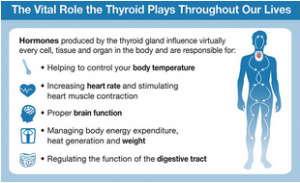
In this month of January, all of us at Any Lab Test Now® aim to raise thyroid awareness to the general public because it is estimated that up to 50% those with thyroid disease are unaware of their condition.
Before heading to a physician, you can perform a simple neck check in the comfort of your own home. Should you have any concerns, be proactive with your health in 2015 and let your local Any Lab Test Now® help! We offer an array of thyroid tests, including a comprehensive thyroid panel. Call us today to make an appointment!