Heavy Metal Poisoning
Heavy metal poisoning? Okay, sure — the first thing that comes to mind is listening to too much head-banging music. But jokes aside — heavy metal poisoning is a legitimate concern, one that has nothing to do with the popular 80s music genre.
This type of poisoning can occur when someone is exposed to high amounts of dense metals that can be toxic. Examples of these metals include lead, mercury, arsenic, cadmium, and chromium. Exposure to these heavy metals can happen because of air or water pollution, foods, medicines, improperly coated food containers, or ingestion of lead-based paints.
The signs and symptoms of heavy metal poisoning vary greatly depending on the type of metal overexposure is involved. We have outlined two of the most common examples.
Lead Poisoning
Lead is the most frequently encountered toxic metal in the United States. Children, especially between the ages of 1 and 3, are most affected. The CDC estimates that four-million households in the U.S. have children living in a house where they are exposed to lead. Young children absorb lead into their bodies more easily than adults, which is why lead is more harmful to them.
Levels of lead in the blood are shown to have adverse effects on developmental outcomes in children under 5.
Exposure Risks
For the average American family, exposure to lead occurs in older homes in the form of deteriorating lead paint. This type of paint was very popular until it was banned in the late 70s when its toxic traces were discovered.
Kids can come into contact with lead paint by breathing in lead dust. Many people are remodeling older homes, so it is important to keep children away from these spaces when walls and woodwork are being sanded down. Old lead pipes or faucets are another possible source. If your home was built before 1970, call your local health department or water department to find a laboratory that will test your water for lead content.
Other sources of lead are in objects imported from other countries. Things like toys and jewelry — even decorative items such as dishes and bowls, may be glazed or painted with lead paint.
Signs and Symptoms
- Headaches
- Behavioral problems and trouble concentrating
- Loss of appetite
- Weight loss
- Nausea and vomiting
- Constipation
- Metallic taste in the mouth
- Fatigue
- Muscle and joint weakness
Mercury Poisoning
Mercury poisoning is another common type of heavy metal poisoning, and everyone is at risk — either through diet or the environment.
Mercury is a naturally occurring metal that is in many products we use daily. However, our exposure is limited to tiny amounts. When exposure becomes excessive is when it poses a danger to our health.
Exposure Risks
The most common way of getting mercury poisoning is through eating seafood. The mercury in seafood is a highly poisonous form of the metal called methylmercury.
Methylmercury can be absorbed from the water by all sea creatures. It makes its way up the food chain starting in shrimp. Shrimp contaminated with methylmercury are then eaten by other fish, and so on — further spreading the toxins and the likelihood that the bigger the fish, the more mercury it contains.
Eating one contaminated fish will likely not lead to mercury poisoning. However, people who are on seafood-heavy diets might want to limit their intake, particularly of fish that are high on the food chain, such as swordfish, shark, white tuna (found in most canned versions), pike, walleye, and bass.
Pregnant or breast-feeding women may want to avoid or restrict their intake of fish and shellfish, as any mercury they contain can pass to the fetus or infant through the umbilical cord or breast milk.
Another source of mercury could be in your mouth. Amalgam fillings contain approximately 40 to 50 percent mercury. These types of fillings are not used in dentistry anymore. Many dentists will suggest removing them to reduce long-term exposure to mercury.
Signs and Symptoms
- Weakness
- Fatigue
- Extreme weight loss
- Gastrointestinal disturbance
Higher exposure levels can cause:
- Tremors
- Severe behavior and personality changes
- Emotional excitability
- Memory Loss
- Insomnia
- Depression
- Fatigue
These symptoms may dissipate when the exposure is decreased.
However, extreme cases of overexposure of mercury can lead to long-term neurological damage, reproductive impact, and cardiovascular risks.
Testing for Heavy Metal Poisoning
If you suspect you or a member of your family has been exposed to toxic heavy metals, a simple test will help determine it. Any Lab Test Now offers a complete heavy metal screening panel — which can detect not only the lead and mercury toxins mentioned earlier but also the presence of 19 other heavy metals in the hair. The complete heavy metal screening panel can also be tested through urine, blood, and nails.
Be at Ease
Any Lab Test Now wants you to be at ease when it comes to seeking out any type of lab work, including a heavy metal screening.
We provide you a safe and clean alternative location for lab work. Each of our 185+ stores is sanitized several times a day, in accordance with the CDC’s protocols. Any Lab Test Now is a committed partner in helping you manage your family’s healthcare so you can make educated decisions that will directly affect your quality of life. We want to put you at ease during the coronavirus outbreak. We are here to help.
Find your closest Any Lab Test Now store at www.anylabtestnow.com.
Poisoning: A Leading Cause of Unintentional Injuries.
Did you know that unintentional injuries are the fifth leading cause of death in the United States today? Car crashes, drownings, and house fires are just a few examples of unforeseen accidents that could have been avoided had those involved been aware of the safety hazards around them and cautionary with their own actions. What seems to be the most surprising is that one of the top places for an unintentional injury to occur is inside the home. Do you know what it could be from?
Every year, poison control centers receive about 2.2 million calls seeking help for poisoning that occurred while the person was in their home. In many cases, the individual  was unintentionally poisoned after ingesting drugs or chemicals found in their own house. Cleaning products, personal care products, prescription drugs and over-the-counter medications are all familiar substances found in most homes, yet can be a major risk for unintentional poisoning if they are not stored in safe places and handled with care while in use.
The National Safety Council suggests taking these precautionary steps to ensure that medicines are put away safely in the home:
-
Make sure the safety cap is locked, listen for the click.
-
Ask visitors to lock and put away suitcases or purses containing medications.
-
Program the poison control number, (800) 222-1222, in your home and cell phones.
-
Safely dispose of leftover and unwanted medications.
For information on poisons and toxins, contact your local Any Lab Test Now®. We offer a wide range of lab testing services including our Unknown Poisons and Toxins Analysis that can test for over 600 different chemicals, poisons and toxic substances like pesticides, painting and cleaning products as well as hygiene-type products. Call us today and let us help you take action towards a safe and healthy you.
Is Your Home Safe For Your Children?
If you are a parent of young children you probably cheered on your little one when he first stood up on his own and took that first step. Your baby, now officially a toddler, is on the way to many adventures. Let’s hope that one of them isn’t exploring your medicine cabinet, your household cleaning supplies, or peeking under the bathroom rug to find that pill you dropped and forgot about. Most parents are likely to have installed cabinet locks of some sort to try to prevent their children from getting to medications or cleaning fluids, but accidents happen. According to PoisonPrevention.org, over 2 million poisonings are reported across the country, the majority of them to children under the age of six. Just having cabinet locks, child proof tops on your prescription and aspirin bottles, and moving poisonous substances to a higher shelf isn’t always enough. 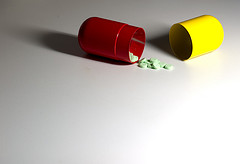 Children at this age are inquisitive and will try to get to something that looks or smells interesting.
PoisonPrevention.org has named the third week in March every year Poison Prevention Week to bring awareness to poisonings in the home. One of the mottos of their campaign is “Children Act Fast…So Do Poisons!” Although most poisoning victims are children, adults can be poisoned, too. Not reading the label and looking at your medication every time, taking your medication in the dark or mixing medications with alcohol can be deadly.
If you suspect that you or your child has taken the wrong medication, too much of it, or in the child’s case ingested anything that they weren’t supposed to, the first step is to call the National Poison Hotline at 1-800-222-1222. This new national toll-free number is available 24 hours a day, 7 days a week and will connect you with one of the 64 regional poison control centers that are prepared to answer questions on actions to be taken if a poison has been ingested. Not all chemicals or medications are poisonous or will cause an immediate reaction but these centers can tell you what is poisonous and what to do.
Some chemicals, medications, or minerals take a long time to cause a reaction or a problem. One of the most well-known of these is lead. Children are frequently exposed to lead without a parent realizing it. Many parents know that lead paint is dangerous and exposure can cause serious problems for children, but lead may also be present in the paint on antique toys, toys made overseas or in old, painted metal play equipment. Over time, exposure to lead can interfere with development of the nervous system, causing potentially permanent learning and behavior disorders in children. Symptoms may include abdominal pain, confusion, headache, and anemia and in severe cases seizures, coma and death. There is no safe level of lead exposure! Blood tests, such as those offered by ANY LAB TEST NOW® can determine if you or your child has been exposed to heavy metals, including lead. Contact your nearest ANY LAB TEST NOW® location to find out more about the right test to answer your questions and concerns.
We all intend to be good parents and to protect our children, but forgetting to put your medication away one time might be enough for your toddler to get to the bottle. Poison Prevention Week is an excellent time to check your house for missing locks, hazardous substances not put away and to review where you keep things and the steps you take to protect your child. It’s worth taking a little extra time to prevent a tragic poisoning. Don’t you agree?
Written by www.anylabtestblog.com